
The inspection your contingency period exists for.
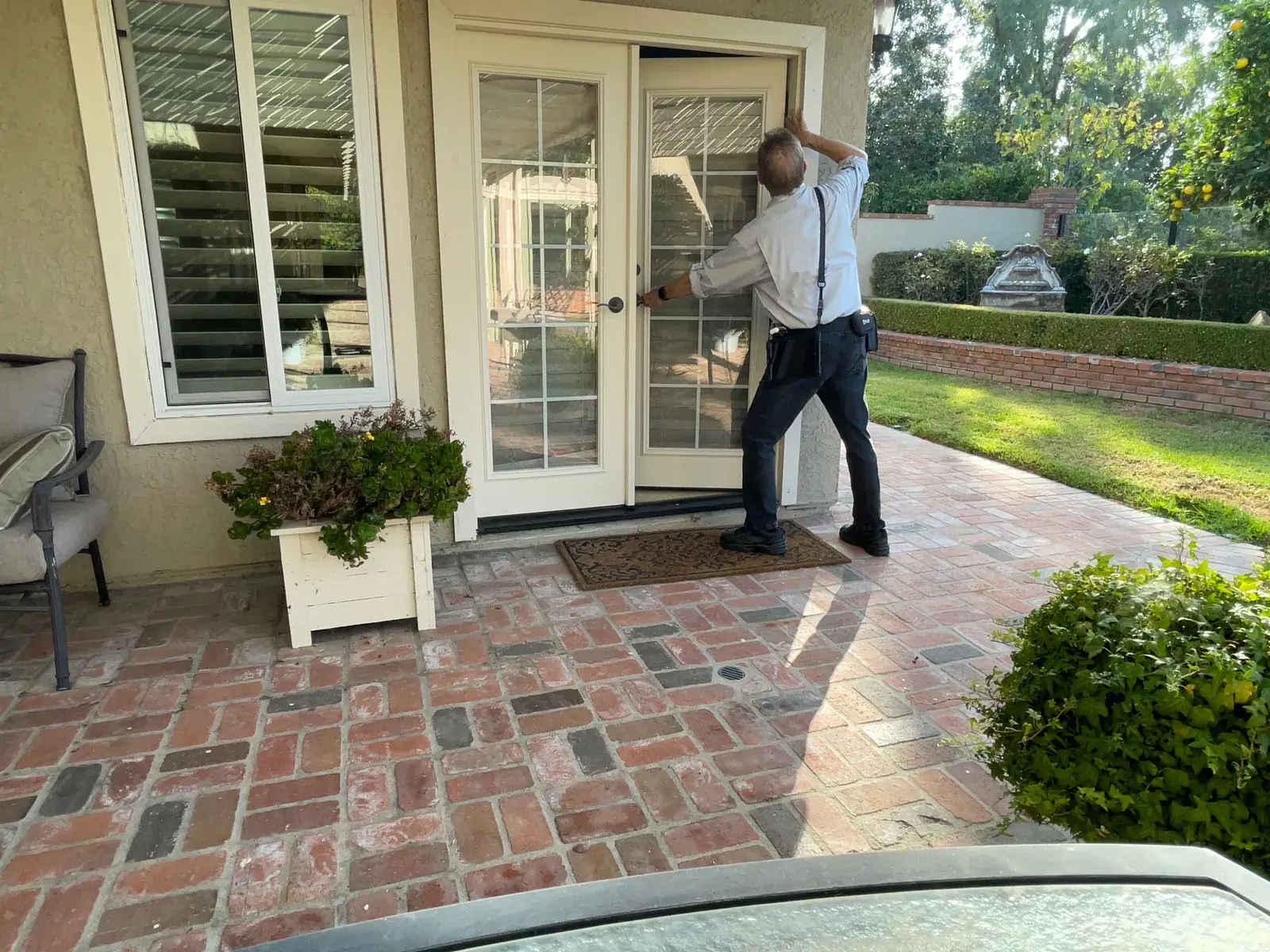
You have a short window to find out what you're actually buying. I spend it going through the whole property — roof to foundation, every system, inside and out — and you get the report the same day.

InterNACHI Certified Professional InspectorPlus seventeen specialty certifications covering the systems inside the house — roof, electrical, plumbing, HVAC, structure and more.
Every house is its own problem
A 1962 ranch in Placentia and a 2004 build in Eastvale need the same thoroughness and almost nothing else in common. Age sets what's likely: galvanized supply lines, aluminium branch wiring, a panel brand with a known history, clay sewer lateral, original ducting. Newer houses fail differently — workmanship, drainage, and whatever the last owner did without a permit.
So I don't run a checklist against the clock. The checklist gets covered, but the time goes where the property tells me it should.
Anything that needs attention gets a photograph and a plain explanation of what it means for you. Not a code citation. Not a severity score you'd have to interpret.
What makes it useful in a negotiation
-
Photographs of everything
A written finding is arguable. A photograph of the finding, with a location, is a fact. That difference matters when a request for repairs goes back to the listing side.
-
Same-day turnaround
Contingency windows are short and they don't pause for a report. You get it the day of the inspection, so you have time to act on it rather than time to read it.
-
Plain language
Written so you, your agent and a contractor can all read the same sentence and agree on what it means. Nobody should need an interpreter for a report they paid for.
-
Severity in context
Some findings are a Saturday afternoon. Some are five figures. I'll tell you which is which rather than presenting forty items as though they carried equal weight.
Come along if you can. The walkthrough at the end is where most of the value lands — standing in the garage looking at the actual thing beats any amount of writing. If you can't make it, the report and a phone call cover it, and the follow-up call stays open long after closing.
Worth adding on an older house
Thermal imaging and the drone roof survey are already included. The one I'd think hard about on anything built before about 1980 is the sewer camera — the lateral is buried, outside the scope of a standard inspection, and owned by you the moment you close.
Other inspections
Just went into escrow?
Send me the address and your contingency deadline. I'll tell you straight away whether I can get there in time, and what the property's age suggests is worth adding.